


Langstroth or Layen?
Bees lived for about 30 million years in the forest, making their homes in tree hollows that were both highly insulated and ventilated. Most of the honeycombs were narrow and long, which is why today, queen bees still lay their eggs in a cylinder or circular pattern.
Traditionally, beekeepers in the USA use short and rectangular Layen frames. One issue with these traditional frames is that they lack sufficient space for both egg laying and the pollen and honey reserves needed by nurse bees.


One advantage of these Layen hives and frames is their ease of transport, making it simple to relocate apiaries. However, if the frames were deeper to allow for the needed extra space, the boxes would become too heavy to lift
The Layen system is designed with only the beekeeper in mind. The Langstroth system hives are designed with both the bees and the beekeeper in mind.
Layen Hives are one of several horizontal systems. This gives the beekeeper the ability to expand the hive horizontally, giving the bees the necessary space they need for egg laying and reserves.
CaMar Layen
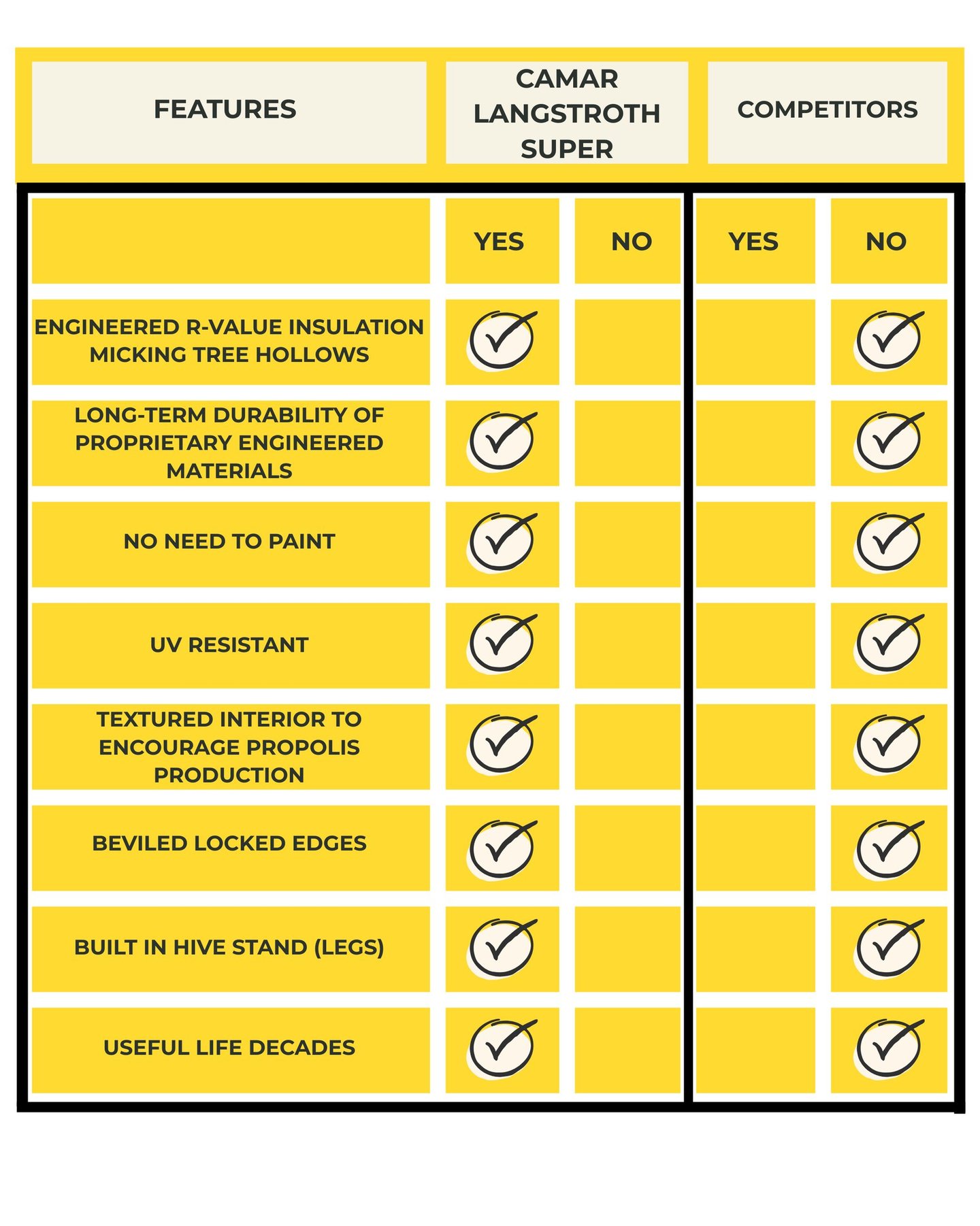
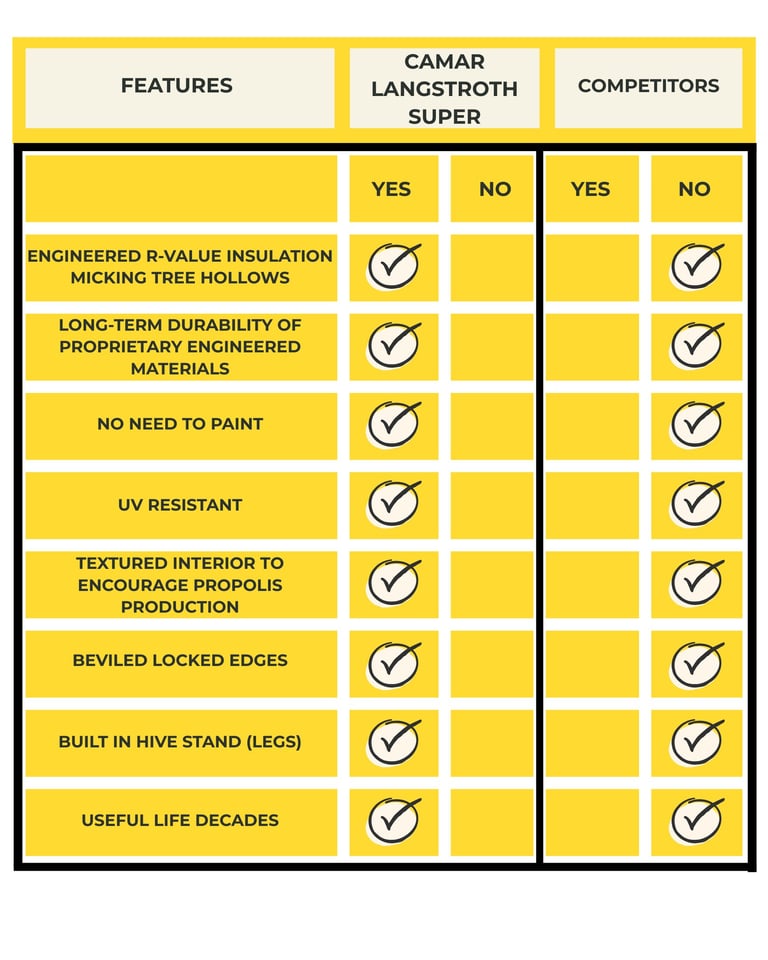
CaMar Langstroth
Layens and Langstroth hives both have unique advantages and disadvantages for beekeepers. Layens hives emphasize minimal intervention and natural beekeeping, while Langstroth hives are known for high honey production and standardized equipment. The best choice depends on individual beekeeping practices and priorities.
ADVANTAGE
Layens hives are ideal for natural beekeeping, offering a low-intervention design that minimizes disruption to the colony. Their horizontal layout and large comb area make hive management easier and reduce the need for frequent inspections or heavy lifting. This less intrusive approach supports healthier bee behavior and is especially beneficial for overwintering, as the hive’s design helps maintain stable internal temperatures.
ADVANTAGE
Langstroth hives are known for high honey production, thanks to their expandable design with easily added supers. They use standardized, widely available equipment, making maintenance and scaling simple. Their flexibility allows easy adaptation to various colony sizes, and they benefit from well-established management techniques supported by extensive resources.
DISADVANTAGE
Layens hives have some limitations, including restricted space for colony growth and honey storage, which may require using division boards. They also lack standardized equipment, making parts harder to find outside Europe, and their size and weight make them less suitable for transport or migratory beekeeping.
DISADVANTAGE
Langstroth hives require more frequent inspections and hands-on management, including lifting heavy boxes, which can be physically demanding. They tend to involve a less natural beekeeping approach and may not suit those seeking minimal intervention. Without careful oversight, they can also experience cross-combing, complicating inspections and honey extraction.
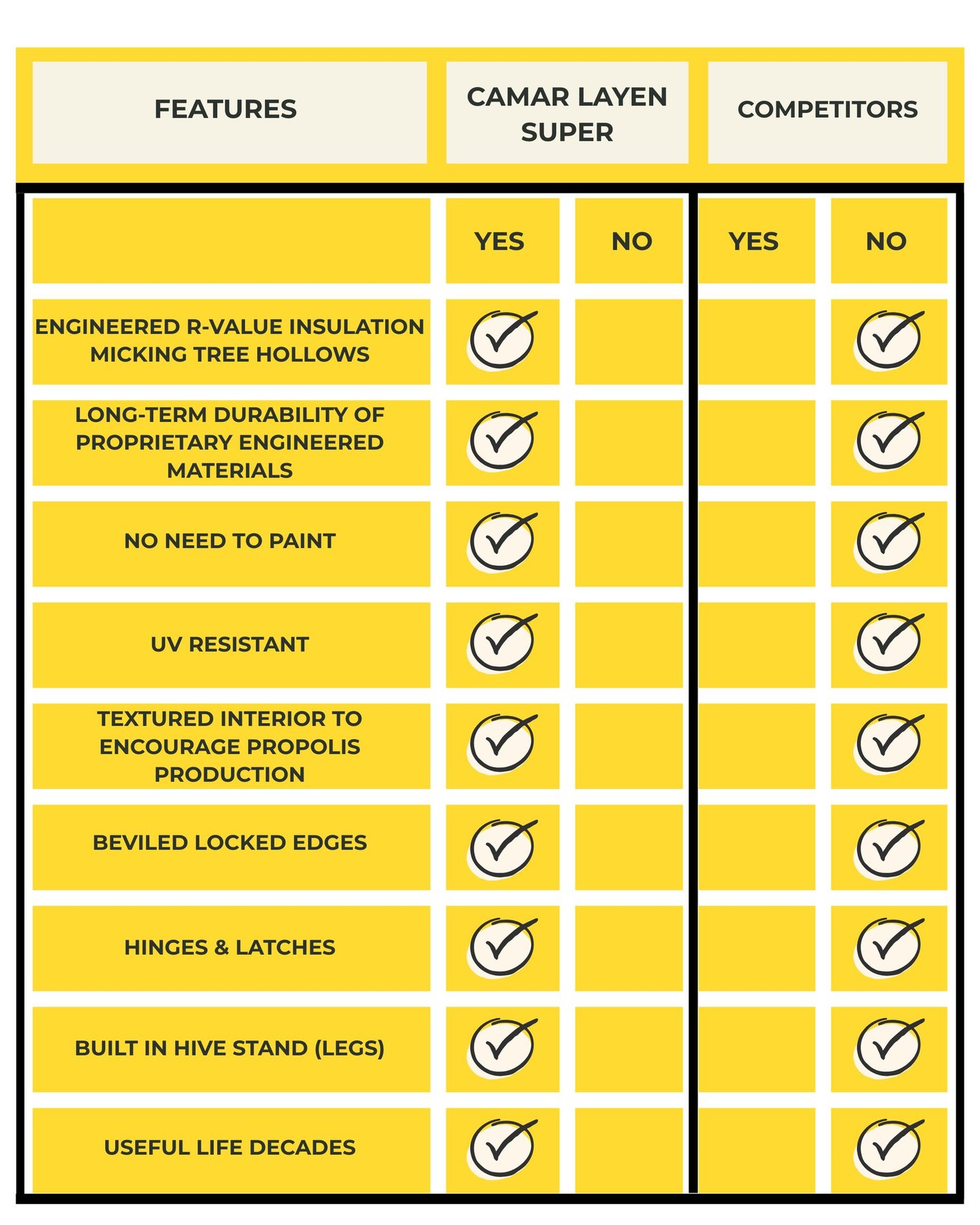
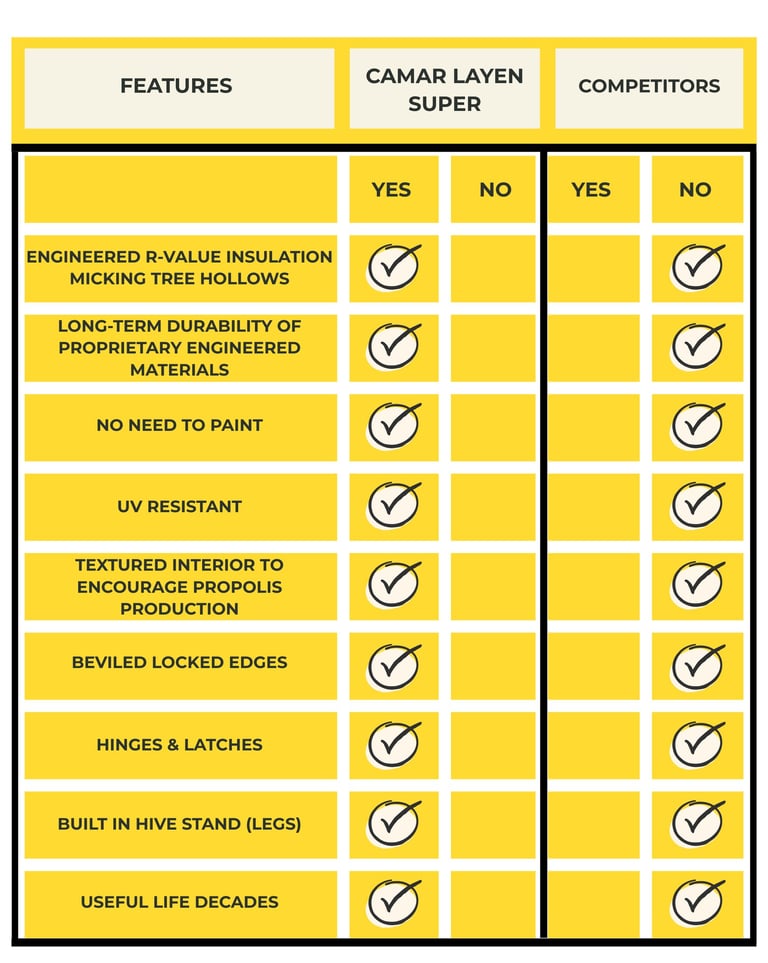


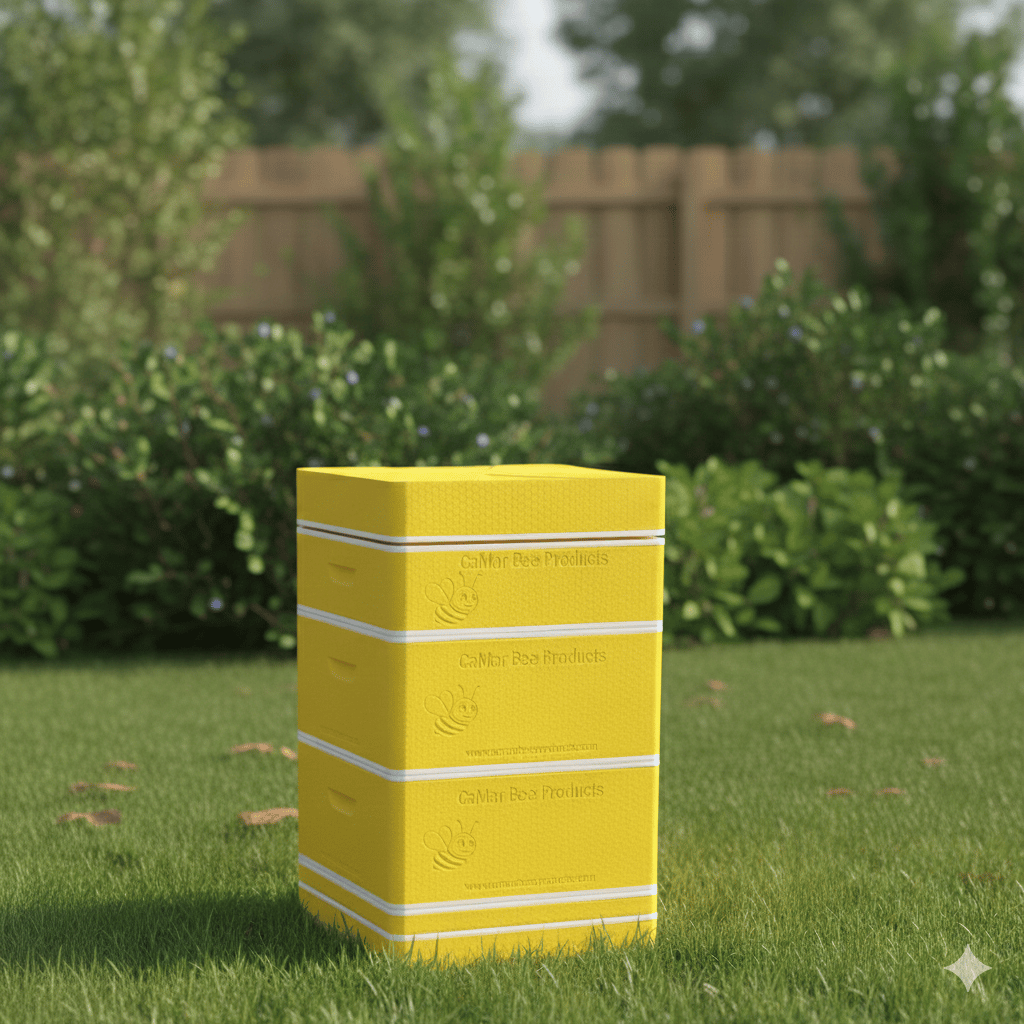
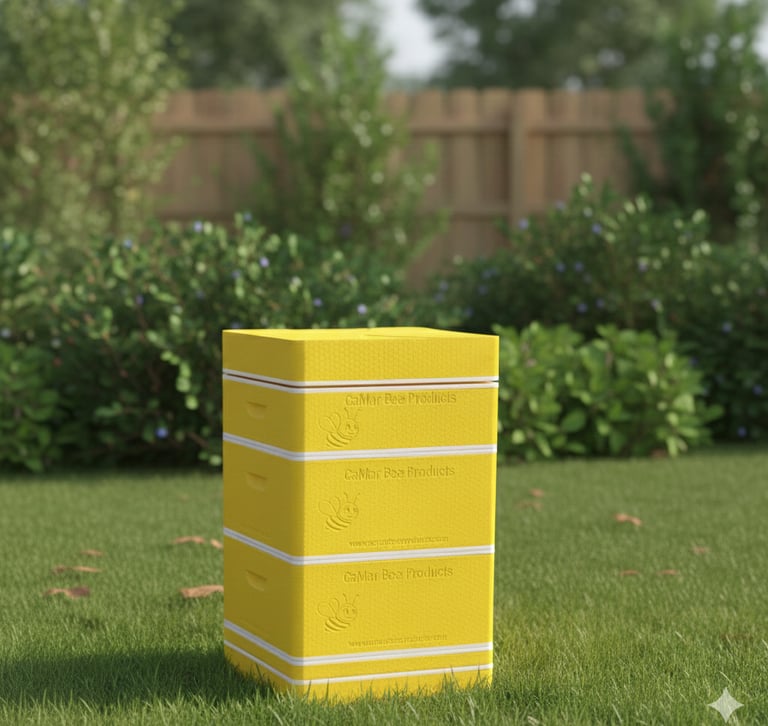
CAMAR BEE HIVE IS RADICALLY DIFFERENT THAN ANY OTHER HIVE ON THE MARKET
Check out our partner brand over at HORIZONTAL HIVES R US—same quality you know and love, just with a different look.
Quality
Crafting beehives for thriving bee colonies worldwide.
Support
Shop
camarbeeproducts@gmail.com
© 2025. All rights reserved.